

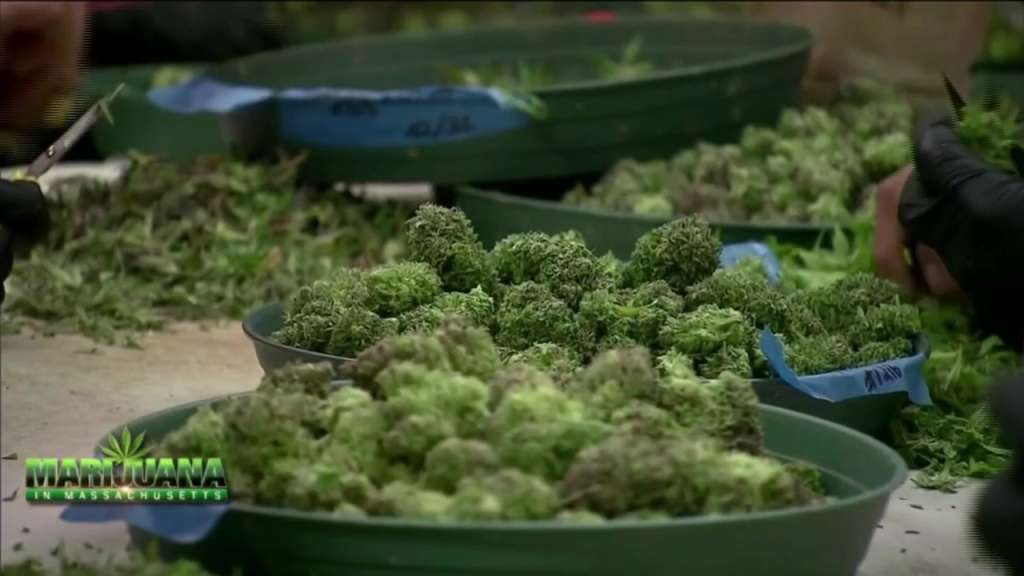
BOSTON (WHDH) - In 2016, Massachusetts voters legalized recreational marijuana through a ballot initiative. A decade later, voters will decide whether to roll back that measure.
Question 8 would make recreational use illegal again and repeal laws allowing adults to grow cannabis at home. It would also change the amount of marijuana adults 21 and older can possess without penalty, reducing the limit from two ounces to one ounce.
Medical marijuana would remain legal. The Cannabis Control Commission, established to regulate recreational marijuana, would instead monitor its medical use.
If passed, it would be the first time a voter-approved measure legalizing marijuana would be repealed by voters.
What supporters are saying
The Coalition for a Healthy Democracy – a group of educators, health professionals, and psychiatrists – is leading the campaign to repeal recreational marijuana.
The organization is largely funded by Smart Approaches to Marijuana, a Virginia-based non-profit that has contributed $3.7 million to the campaign.
Supporters have raised concerns about public safety, including drug-impaired driving, as well as the drug’s impact on young people.
“There is mounting evidence that especially for young people but also for all people that marijuana-induced psychosis is increasing with the increased levels of THC and the sort of pot that’s available now,” said Wendy Wakeman, chair of the Yes on 8 Committee.
A study by Mass General Brigham, conducted after recreational marijuana was legalized, found that commercial cannabis use could disproportionately impact adolescents with psychiatric illnesses, requiring them to need more emergency care.
Research published through the National Library of Medicine has also documented an increase in marijuana potency over time. One study found that the average THC concentration in marijuana rose from 4% in 1995 to 12% in 2014.
Wakeman alleged that manufacturers have increased THC levels to drive sales and encourage continued use.
“Addiction is a great business model,” Wakeman said. “And how do you have addiction as your business model? Well, you increase the strength of your product, and that’s exactly what we’ve seen.”
What opponents are saying
The Massachusetts Cannabis Coalition, a trade association that represents licensed cannabis businesses, is leading the opposition to Question 8.
Opponents argue re-criminalizing the drug would push consumers toward the illicit market, where cannabis products are not subject to the same testing and safety requirements as those sold by licensed retailers.
“In the illicit market, you’re looking at folks who are potentially growing the products, potentially lacing the products, et cetera,” said Ryan Dominguez, chair of the Stop the Repeal campaign. “There’s no actual testing program in place that’s testing for things like mold, aspergillus, things that are harmful for any human being.
Dominguez also argued that repealing legalization would hurt the state’s economy, costing Massachusetts billions of dollars in tax revenue and tens of thousands of jobs.
Since recreational marijuana became legal, the industry has generated $2 billion in state and local tax revenue and created 18,000 jobs.
When asked about marijuana’s health effects on minors, Dominguez referred to a recent Centers for Disease Control and Prevention study that found teen and child use of marijuana decreased in a regulated market.
Instead of criminalizing the drug again, opponents want the state to focus on strengthening regulations to address public health and safety concerns.
“That demand isn’t going anywhere and we just need to make sure that we’re creating a safe environment for these products to be produced and sold,” Dominguez said. “The best way to do that is to make stronger regulations and policies, not rolling back an initiative with this repeal.”
(Copyright (c) 2026 Sunbeam Television. All Rights Reserved. This material may not be published, broadcast, rewritten, or redistributed.)